



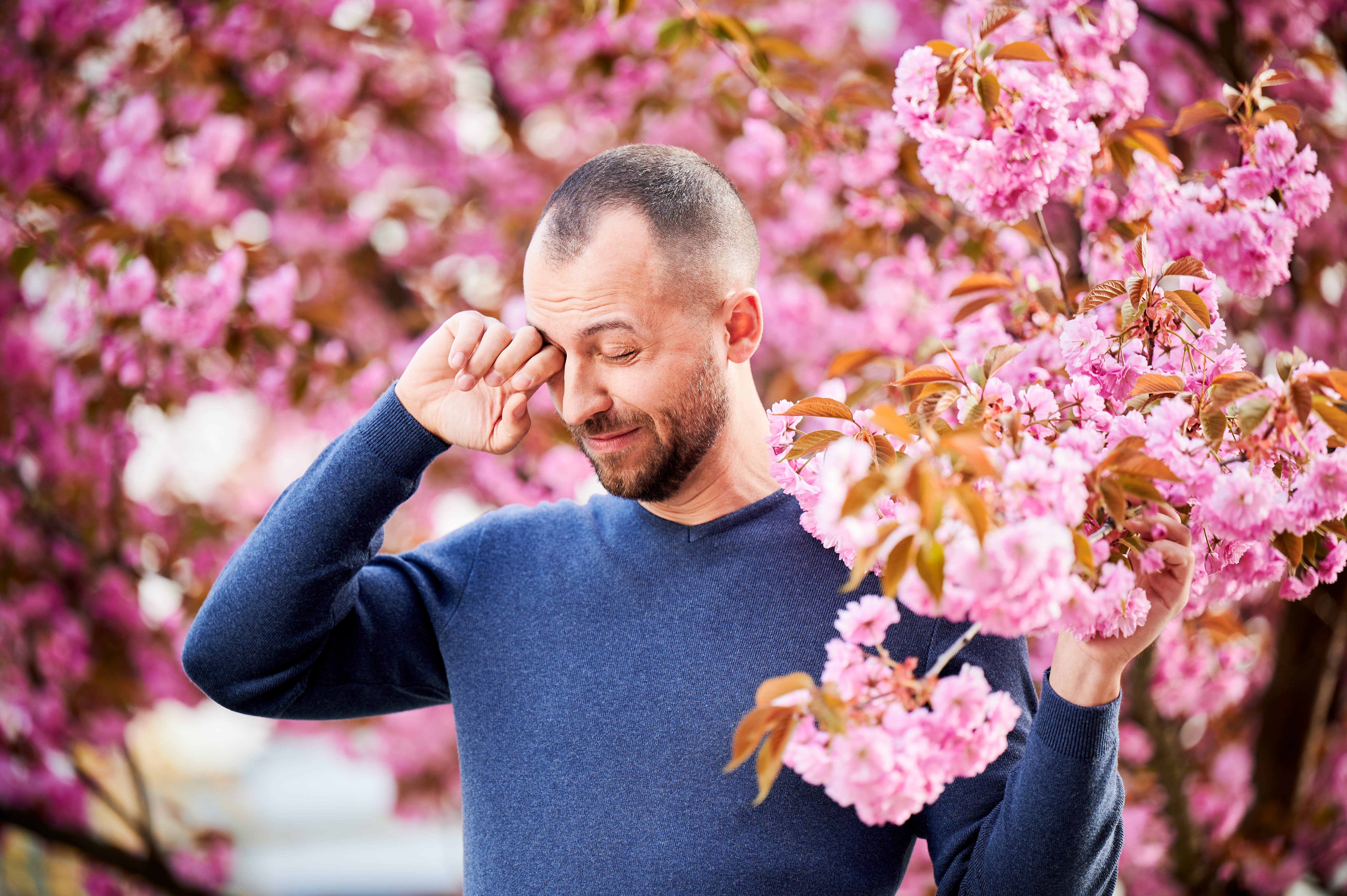
Dry eyes and eye allergies can feel similar at first, but they are not the same problem. Both can cause irritation, redness, and blurry vision, which is why many people are unsure what they are dealing with. Knowing the difference can help you get the right relief sooner and protect your long-term eye health.
What Causes Dry Eyes?
Dry eye occurs when your eyes do not make enough tears or when your tears evaporate too quickly. Tears do more than keep your eyes comfortable - they help maintain clear vision and protect the surface of the eye.
Common causes of dry eyes include:
- Aging
- Screen time and reduced blinking
- Certain medications
- Environmental exposure such as wind or dry air
- Meibomian gland dysfunction
- Hormonal changes
Dry eye symptoms often build gradually and may feel worse later in the day or after long hours on a computer.
Symptoms of Dry Eyes
Dry eyes often create a scratchy, tired, or burning feeling. Some people also notice fluctuating vision or discomfort while reading, driving, or using digital devices.
Signs of dry eye may include:
- Burning or stinging
- Grittiness or a sandy sensation
- Light sensitivity
- Blurry vision that comes and goes
- Watery eyes as a reflex to dryness
- Discomfort with contact lenses
Even though watery eyes may seem surprising, they can actually be a sign that the eyes are too dry.
What Causes Eye Allergies?
Eye allergies happen when your eyes react to allergens such as pollen, dust, pet dander, or mold. When this happens, the body releases histamines, which can trigger inflammation and discomfort.
Eye allergies are often seasonal, but some people deal with them year-round depending on their environment. In Scottsdale, allergy symptoms can become more noticeable during times of high pollen or increased outdoor exposure.
Symptoms of Eye Allergies
Eye allergies are usually more closely linked to itching and swelling. The discomfort can come on quickly, especially after exposure to a trigger.
Common allergy-related symptoms include:
- Intense itching
- Redness
- Tearing
- Puffy eyelids
- Stringy discharge
- Sneezing or nasal congestion along with eye irritation
If itching is your main complaint, allergies are often more likely than dry eye.
How to Tell the Difference
The easiest way to separate dry eyes from eye allergies is to look at the pattern of symptoms. Dry eye usually feels like burning, irritation, and visual fluctuation. Allergies are more likely to cause itching, swelling, and watering tied to allergens.
In some cases, patients in Scottsdale may have both conditions at the same time. Allergies can irritate the eyes, while dryness can make the surface of the eye even more sensitive. That is why an eye exam is often the best way to get clear answers.
The Importance of a Professional Evaluation
Using the wrong treatment can make symptoms worse. Some allergy drops may not help dry eye, and some over-the-counter products can miss the underlying cause of irritation. We evaluate your symptoms, tear quality, and eye surface to determine what is really going on and recommend care that fits your needs.
If you’re experiencing symptoms of dry eye or allergies, contact Eyes of North Scottsdale to schedule an eye exam and learn more about targeted treatment options. Visit our office in Scottsdale, Arizona, or call (480) 863-0707 today.

All Eye
Care Services

Keep
In Touch

Our Services
Contact Info
Phone: (480) 863-0707
Fax: 480-863-0719
Hours of Operation
- Monday Closed
- Tuesday 9:00 AM - 6:00 PM
- Wednesday 9:00 AM - 6:00 PM
- Thursday 9:00 AM - 6:00 PM
- Friday 9:00 AM - 5:00 PM
- Saturday 9:00 AM - 1:00 PM
- Sunday Closed
© 2026 Eyes of North Scottsdale. All rights Reserved. Accessibility Statement - Privacy Policy - Sitemap
A member of

Powered by:

