



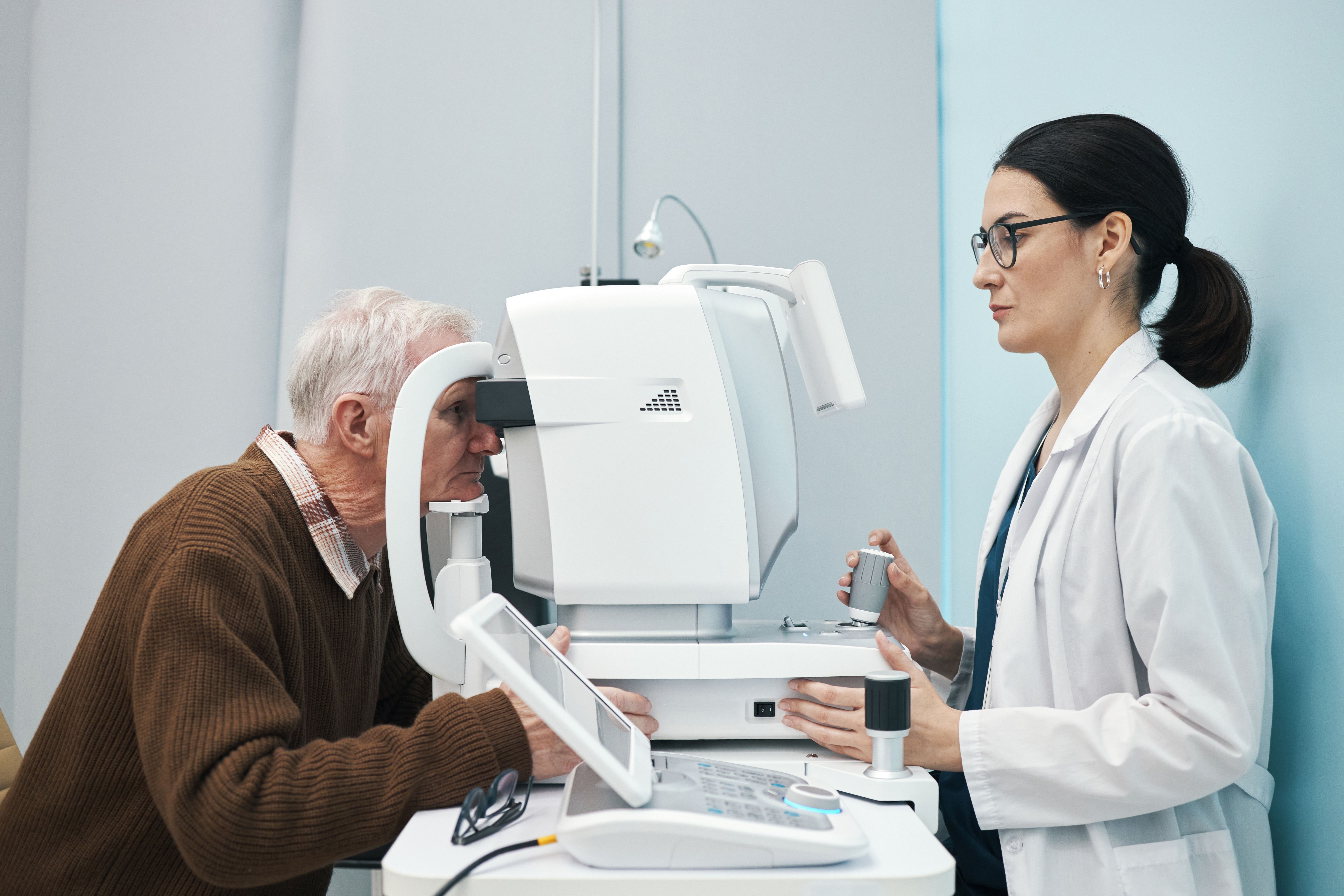
Diabetes can affect many areas of the body - including your eyes. Over time, high blood sugar levels can damage the delicate blood vessels in the retina, leading to a group of vision conditions known as diabetic eye disease. The challenge is that many diabetic eye problems develop slowly and may not cause noticeable symptoms in the early stages. Understanding what to watch for is an important step in protecting your vision.
Diabetic Eye Conditions That Cause These Symptoms
Several eye diseases are linked to diabetes, including:
• Diabetic retinopathy - damage to retinal blood vessels
• Diabetic macular edema - swelling in the central part of the retina
• Glaucoma - increased eye pressure, which occurs more often in people with diabetes
• Cataracts - clouding of the eye’s lens at an earlier age
Early stages of these conditions may not produce symptoms, which is why regular eye exams are critical.
Why Early Detection Matters
Diabetic eye disease is one of the leading causes of vision loss, but it is also highly manageable when detected early. Comprehensive eye exams allow eye doctors to identify changes in the retina before vision is affected. With proper monitoring, treatment, and blood sugar control, many patients can preserve their sight long-term.
Common Symptoms of Diabetic Eye Problems
Diabetic eye conditions can present in different ways depending on the type and severity of damage. Symptoms may come and go, or gradually worsen over time.
• Blurry or Fluctuating Vision: Changes in blood sugar levels can cause the eye’s lens to swell, leading to blurry or distorted vision. If your vision seems to change from day to day, diabetes may be affecting your eyes.
• Dark Spots or Floaters: Seeing small dark spots, strings, or cobweb-like shapes may be a sign of bleeding inside the eye, often associated with diabetic retinopathy. Floaters should never be ignored, especially if they appear suddenly.
• Difficulty Seeing at Night: Reduced night vision or trouble adjusting to low light can be an early indicator of retinal damage caused by diabetes.
• Colors Appearing Faded or Washed Out: Damage to the retina can affect color perception, making colors appear dull or less vibrant than usual.
• Eye Pain or Pressure: While many diabetic eye conditions are painless, advanced stages may cause discomfort, pressure, or aching in the eyes.
• Partial or Sudden Vision Loss: In severe cases, diabetes can lead to sudden vision loss due to retinal swelling, bleeding, or retinal detachment. This is a medical emergency and requires immediate care.
Take the Next Step at Eyes of North Scottsdale
Diabetic eye problems often begin silently, but the symptoms can become serious if left untreated. Blurry vision, floaters, trouble seeing at night, and sudden vision changes should never be ignored - especially for individuals with diabetes. Staying proactive with regular eye exams is the best defense against diabetes-related vision loss.
Schedule a diabetic eye exam at Eyes of North Scottsdale to protect your vision and catch potential problems early. Visit our office in Scottsdale, Arizona, or call (480) 863-0707 today.

All Eye
Care Services

Keep
In Touch

Our Services
Contact Info
Phone: (480) 863-0707
Fax: 480-863-0719
Hours of Operation
- Monday Closed
- Tuesday 9:00 AM - 6:00 PM
- Wednesday 9:00 AM - 6:00 PM
- Thursday 9:00 AM - 6:00 PM
- Friday 9:00 AM - 5:00 PM
- Saturday 9:00 AM - 1:00 PM
- Sunday Closed
© 2026 Eyes of North Scottsdale. All rights Reserved. Accessibility Statement - Privacy Policy - Sitemap
A member of

Powered by:

