


Eyes of North Scottsdale Blog
Learn more about optometrist care in our blog!

Severe dry eyes can cause persistent burning, irritation, redness, and fluctuating vision that interfere with everyday activities. For patients in Scottsdale, AZ, who continue experiencing symptoms despite using artificial tears, advanced dry eye treatments may provide additional relief. Two options worth exploring are Tixel and ZEST, which address different factors contributing to dry eye disease.

If your child’s glasses prescription seems to get stronger every year, they may be experiencing progressive myopia. Myopia, or nearsightedness, often begins during childhood and can continue to worsen as the eyes grow. For families in Scottsdale, understanding myopia management can help parents look beyond simply updating a prescription and consider options designed to slow those changes over time.

Between work, school, smartphones, streaming, and everyday online tasks, screens can keep your eyes focused at close range for hours at a time. For many Scottsdale residents, that routine can lead to digital eye strain, also known as computer vision syndrome. Symptoms may include tired or dry eyes, headaches, blurred vision, and neck or shoulder discomfort. At Eyes of North Scottsdale, we provide comprehensive eye exams and dry eye care to help determine what is contributing to persistent screen-related discomfort.

Seeing and hearing clearly are both essential for staying connected, confident, and independent. Nuance Audio Glasses bring these needs together in one discreet piece of eyewear. For adults in Scottsdale who experience mild to moderate hearing difficulty, this technology offers a streamlined way to improve everyday communication while also addressing vision needs.

Driving in Scottsdale means dealing with intense sunlight, bright reflections, and sudden glare throughout much of the year. If you notice blurred vision while driving in bright sunlight, it may be more than a minor inconvenience. Glare can make it harder to see road signs, lane markings, traffic signals, pedestrians, and other vehicles clearly.
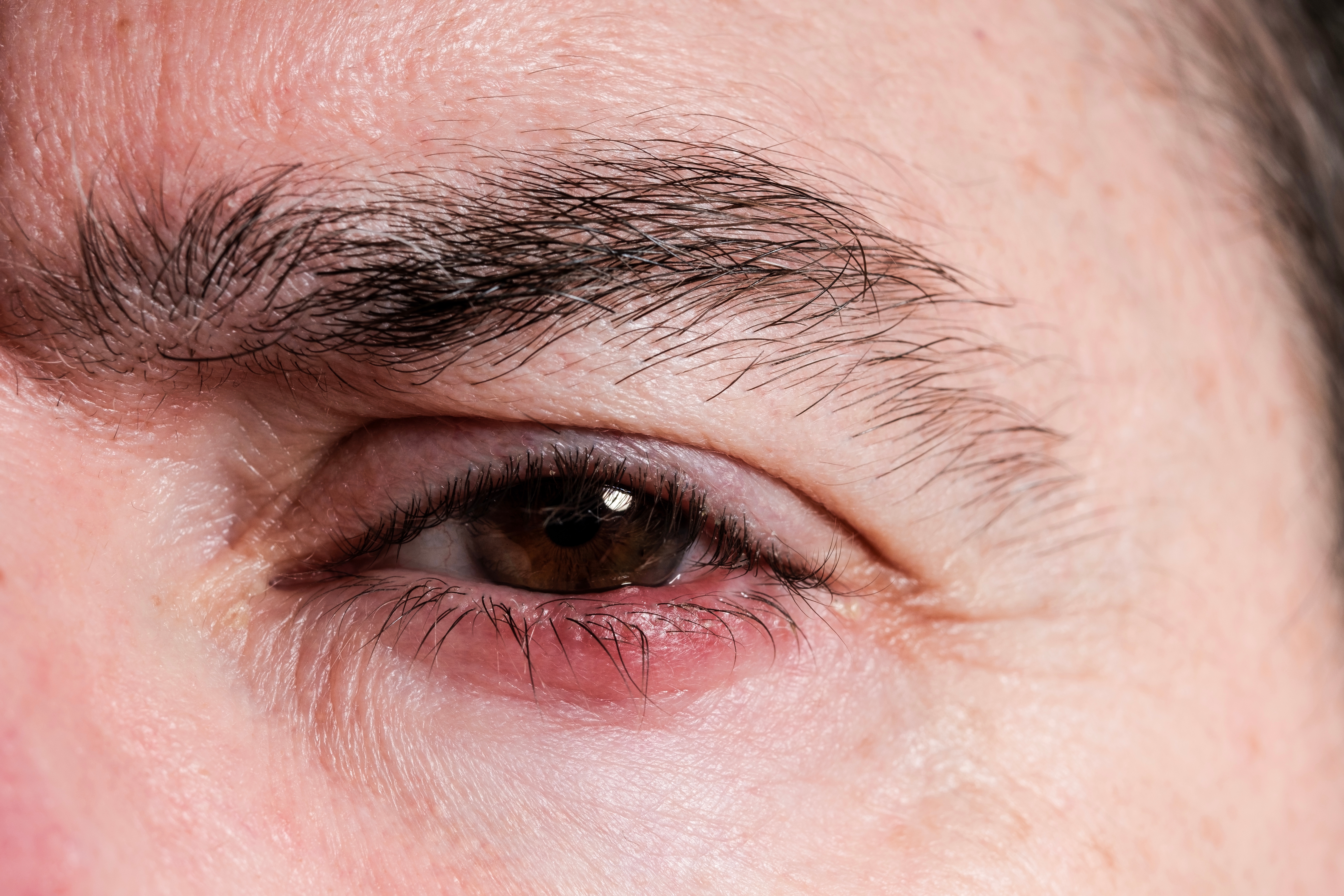
Dry, irritated eyes can make everyday tasks feel harder than they should. If your eyes burn, sting, water, or feel tired throughout the day, artificial tears may offer temporary comfort, but they may not address the underlying cause. For many people, chronic dry eye is linked to meibomian gland dysfunction, or MGD, a condition that affects the oil glands in the eyelids.

Dry eyes and eye allergies can feel similar at first, but they are not the same problem. Both can cause irritation, redness, and blurry vision, which is why many people are unsure what they are dealing with. Knowing the difference can help you get the right relief sooner and protect your long-term eye health.
A comprehensive eye exam is more than a quick vision check. It is a full evaluation of how your eyes see, how they work together, and how healthy they are. Even if you feel your vision is fine, routine exams can catch subtle changes early and help protect long-term eye health.
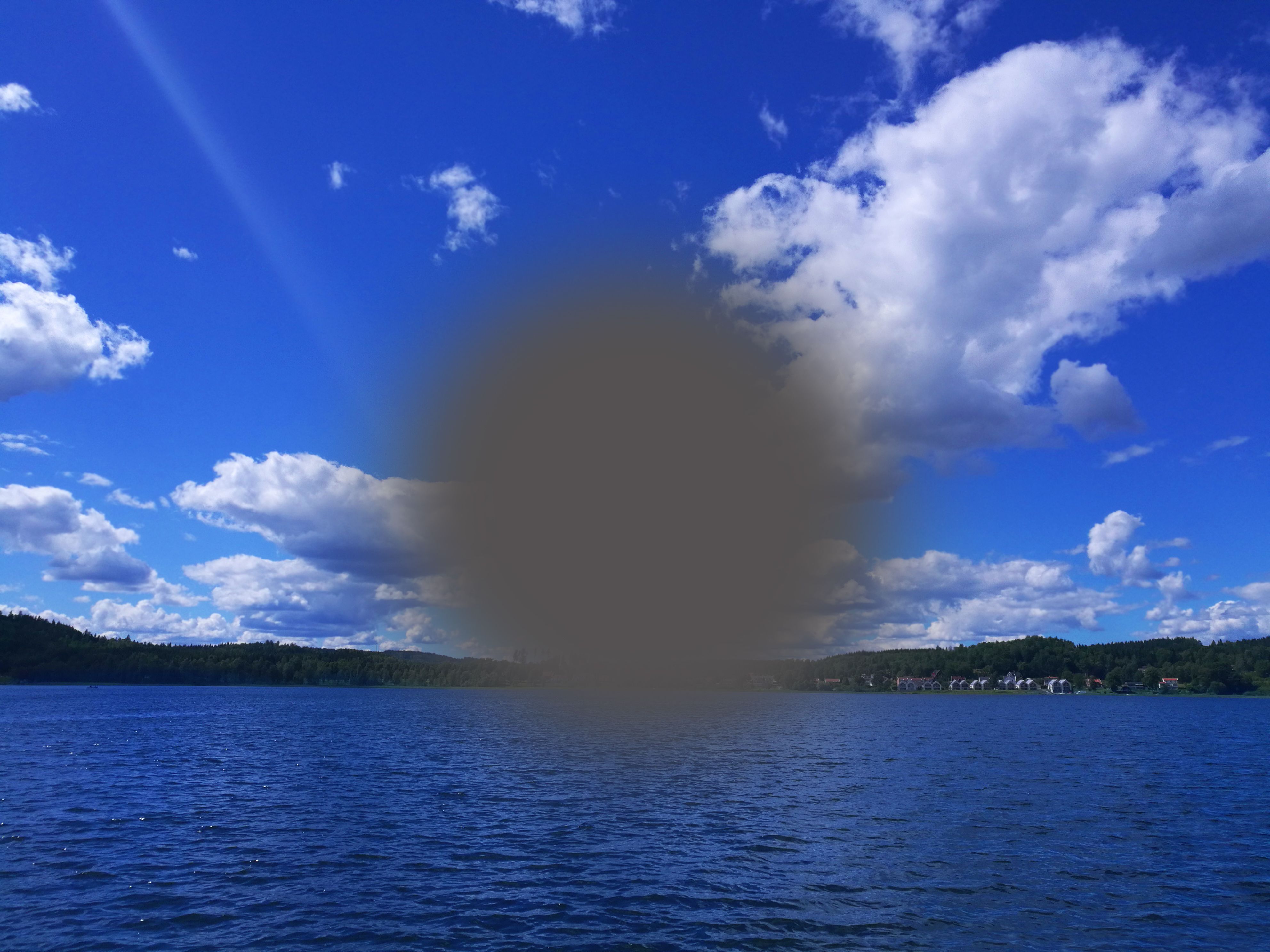
Dry macular degeneration - also known as dry age-related macular degeneration (AMD) - is a progressive eye condition that affects the macula, the central part of the retina responsible for sharp, detailed vision. It is the most common form of macular degeneration and typically develops slowly over time.
Diabetes can affect many areas of the body - including your eyes. Over time, high blood sugar levels can damage the delicate blood vessels in the retina, leading to a group of vision conditions known as diabetic eye disease. The challenge is that many diabetic eye problems develop slowly and may not cause noticeable symptoms in the early stages. Understanding what to watch for is an important step in protecting your vision.

All Eye
Care Services

Keep
In Touch

Our Services
Contact Info
Phone: (480) 863-0707
Fax: 480-863-0719
Hours of Operation
- Monday Closed
- Tuesday 9:00 AM - 6:00 PM
- Wednesday 9:00 AM - 6:00 PM
- Thursday 9:00 AM - 6:00 PM
- Friday 9:00 AM - 5:00 PM
- Saturday 9:00 AM - 1:00 PM
- Sunday Closed
© 2026 Eyes of North Scottsdale. All rights Reserved. Accessibility Statement - Privacy Policy - Sitemap
A member of

Powered by:

